



NEWS&EVENTS
Home > News&Events > Company news > Selection of Electrolytic Refining Processes for Scrap and Miscellaneous Copper
After undergoing anode furnace refining, anode plates derived from scrap copper are shaped and then fed into electrolytic cells for electrolytic refining. Currently, electrolytic refining primarily employs two methods: the starter sheet method and the permanent cathode method (ISA method); a small number of manufacturers utilize the periodic reverse current (PRC) method. When comprehensively evaluating factors such as process maturity, product quality, and economic benefits, the permanent cathode method emerges as the preferred choice.
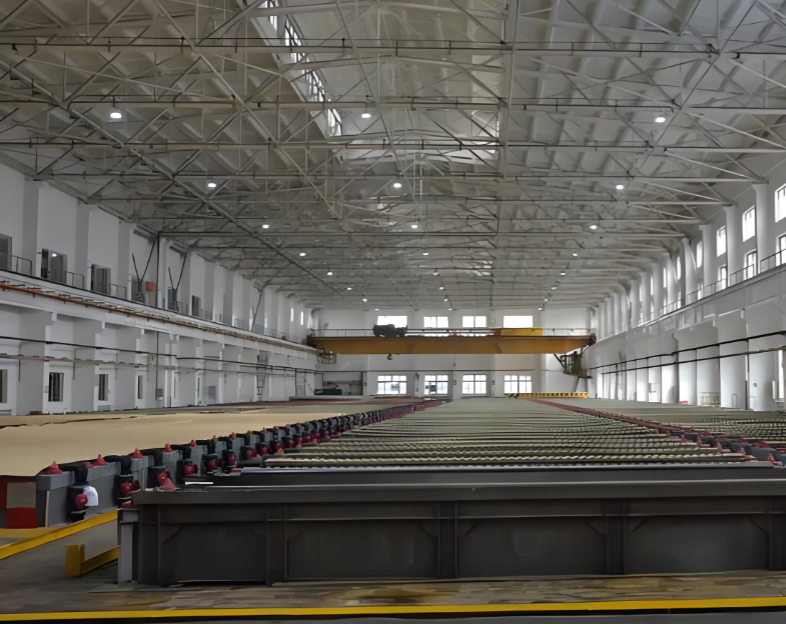
I. Advantages and Disadvantages of the Starter Sheet Method
1. By utilizing highly automated cathode and anode processing units, the verticality of the electrode plates can be effectively improved, thereby ensuring the consistent production of standard cathode copper.
2. The manufacturing process for starter sheets is complex, requiring a dedicated production system; this entails significant metal inventory requirements and high labor consumption.
3. Starter sheets are relatively soft in texture, making it difficult to guarantee their flatness. This is particularly problematic during the electrolysis of large-format plates, where short circuits are prone to occur, leading to anode slime adhering to the cathode and compromising the quality of the copper product. Consequently, production operations often necessitate increasing the electrode spacing and reducing the current density—thereby sacrificing a degree of efficiency—in order to safeguard product quality.
II. Advantages and Disadvantages of the Permanent Cathode Method
1. This method utilizes stainless steel cathode plates to replace traditional starter sheets. These stainless steel cathodes are reusable, require neither parting agents nor straightening, and—once placed in the electrolytic cell—remain protected by cathodic protection, thereby preventing corrosion.
2. Current densities can reach as high as 280–330 A/m2, while the electrode spacing remains relatively narrow at just 95–100 mm.
3. The cathode cycle is short (typically 6–8 days), resulting in minimal metal inventory accumulation and lower working capital requirements.
4. The anode scrap rate is reduced to between 12% and 16%, thereby lowering the costs associated with processing anode scraps.
5. Steam consumption is less than 0.6 t/t-Cu, representing an improvement over the 0.6–0.8 t/t-Cu range typical of traditional methods.
6. The overall process is simplified, eliminating the need for a "seed plate" system and the starter sheet manufacturing stage; this results in a high degree of automation and a reduced requirement for operating personnel.
When comprehensively assessing production efficiency, product quality, and operating costs, the permanent cathode method demonstrates clear superiority in terms of both economic viability and technical advancement. Therefore, adopting the permanent cathode method constitutes a highly appropriate choice for the electrolytic refining of scrap copper.