



NEWS&EVENTS
Home > News&Events > Company news > Key components and applications of tiltable copper smelting furnaces.
Tilting copper smelting furnaces (typically referring to rotary anode furnaces, refining furnaces, etc.) are key equipment in copper pyrometallurgical refining. Their main characteristic is that they achieve operations such as slag removal and copper tapping through the tilting of the furnace body. The following are its main key components and their uses:
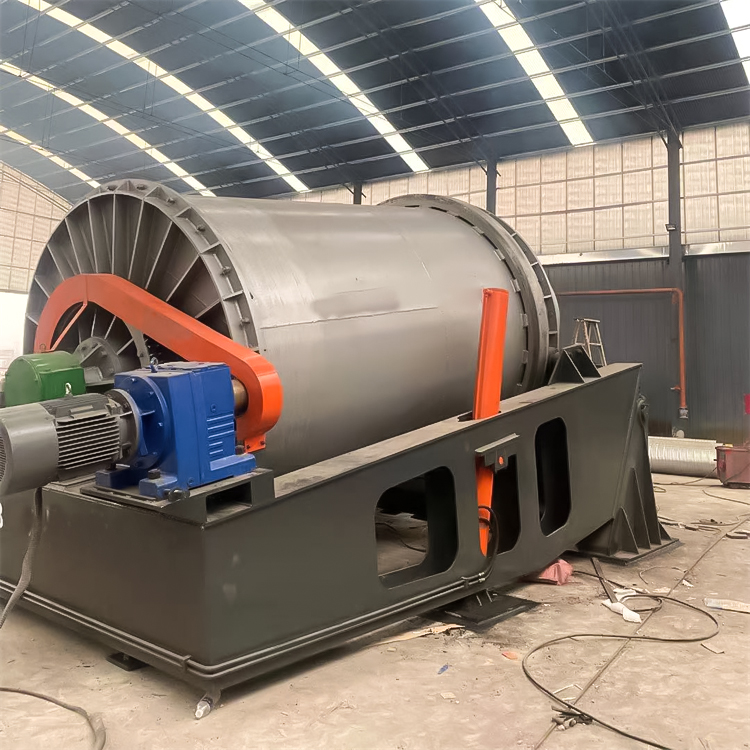
1. Tilting Mechanism
Purpose: To drive the furnace body to rotate and tilt within a specific angle range to achieve:
Controlling the insertion depth of oxidation/reduction air pipes or burners.
Performing slag removal and copper tapping operations.
Uniformly distributing the molten metal composition and temperature inside the furnace.
2. Furnace Body and Refractory Materials
Purpose:
Furnace shell: Steel outer shell, supporting the furnace body structure.
Refractory lining (e.g., magnesia-chrome bricks, alumina-magnesia bricks): High temperature resistance and corrosion resistance, protecting the furnace shell and reducing heat loss, extending furnace life.
3. Oxidation/Reduction Air Port Device
Purpose:
Oxidation phase: Inserting high-pressure air pipes (air or oxygen-enriched air) to oxidize impurities such as sulfur and iron into gases or slag.
Reduction phase: Inserting reducing agent pipes (e.g., natural gas, ammonia, heavy oil) to remove excess oxygen from the molten copper and improve the purity of the copper liquid.
4. Burner System
Purpose:
Providing heat to maintain the furnace temperature (approximately 1200℃), compensating for heat loss during the refining process.
Fuel is usually natural gas, fuel oil, etc.
5. Copper Outlet and Slag Outlet
Purpose:
Copper outlet: Located on one side of the furnace body; after tilting the furnace body, the refined copper liquid is poured into a casting ladle.
Slag outlet/slag tapping door: Used to discharge the slag generated during the oxidation phase.
6. Flue Gas and Waste Heat Recovery System
Purpose:
Flue and flue gas hood: Collecting the flue gas (containing SO?, etc.) generated during the smelting process.
Waste heat boiler: Recovering heat from the flue gas to improve energy utilization efficiency.
7. Temperature Measurement and Detection Devices
Purpose:
Thermocouple/infrared thermometer: Real-time monitoring of the furnace temperature.
Sampling port: Taking copper liquid samples for composition analysis.
8. Environmental Protection and Flue Gas Treatment Devices
Purpose:
Dust removal system (e.g., bag filter): Removing dust from the flue gas.
Desulfurization system: Treating sulfur dioxide to meet environmental requirements. Key roles in the workflow:
Feeding: Crude copper or molten blister copper is loaded through the charging port.
Oxidation phase: The oxidation air pipe is inserted, impurities are oxidized to form slag, and the furnace body is tilted to promote the reaction.
Reduction phase: The reducing agent pipe is inserted to remove oxygen, and the furnace body is tilted to improve the uniformity of reduction.
Copper tapping: The furnace body is tilted, and the molten copper flows through the tapping port into the casting machine to be cast into anode plates.
Summary of features:
The tilting smelting furnace achieves operational flexibility through its tilting mechanism, and works in conjunction with the oxidation-reduction device to complete refining. The combustion system maintains the temperature, the refractory materials ensure the furnace body's lifespan, and the environmental protection system controls emissions, all of which together ensure the efficiency and stability of copper refining.